Organizing Your Truck Bed for a Hunting Trip: A 2026 Guide
Smart storage layouts that keep coolers, rifles, and field gear secure from trailhead to camp
A well-organized truck bed transforms pre-dawn departures and multi-day backcountry hunts from chaos into efficient routine.
The core challenge is balancing weight distribution, securing firearms, and keeping perishables cold while maintaining quick access to field essentials.
This guide walks through proven truck-bed layouts that hunters rely on season after season, covering cooler placement, toolbox systems, and mounting solutions that hold up on rough forest service roads.
| Tier | Brand | Why |
|---|---|---|
| Budget-conscious setup | Plano storage bins with ratchet straps | Modular plastic bins stacked against the cab keep clothing and small gear dry without the cost of built-in systems, and ratchet straps prevent shifting on washboard roads. |
| Mid-range setup | Swing Case side-mount toolboxes | Side-swing boxes free up bed floor space for coolers and allow gear access without climbing into the bed, a major advantage when parked on uneven terrain. |
| Premium setup | BackRack headache racks with integrated tie-downs | Welded steel racks provide secure mounting for long gun cases above the bed floor, freeing valuable space below for coolers and keeping firearms away from moisture. |
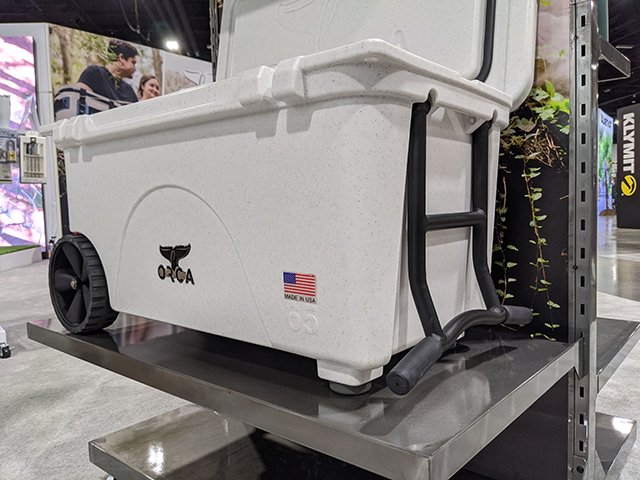
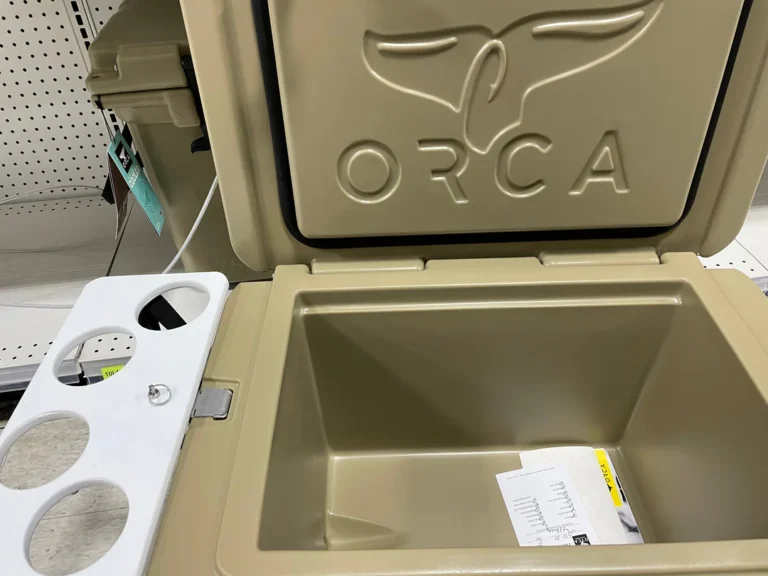
| Best overall | Orca Coolers paired with BackRack systems | Rotomolded coolers anchor the bed floor with their weight, hold ice for week-long trips, and integrate naturally with overhead rack systems that secure firearms and extra layers. |
What to Prioritize When Planning Your Truck Bed Layout
Cooler Placement: The Foundation of Your Layout
Coolers anchor the truck bed both literally and organizationally — their weight and footprint dictate where everything else can go.
Orca Coolers and similar rotomolded brands range from 20-quart day-trip sizes to 140-quart expedition models. For week-long elk hunts, a 75-quart or larger cooler sits lengthwise along the driver-side bed rail, positioned over the rear axle to balance tongue weight if you’re towing a trailer.
Smaller 40-quart coolers work well for weekend deer hunts and fit crosswise just behind the wheel wells, leaving the front half of the bed open for toolboxes and rifle cases.
Avoid placing coolers directly against the tailgate. That positioning shifts weight rearward, reduces traction on climbs, and blocks access when you need to grab ice or check meat temperatures at camp.
Pair your cooler with discounted tie-down straps and bungee nets to prevent sliding during emergency stops on mountain switchbacks.
Side-Mount Toolboxes: Accessing Gear Without Climbing In
Traditional over-the-wheel-well toolboxes consume 18–24 inches of bed length and require you to drop the tailgate and climb in for retrieval.
Side-swing designs solve that problem by hinging outward from the bed rail. A swing-out bed-side storage box that keeps gear accessible without blocking your cooler mounts flush with the truck’s profile when closed and swings 90 degrees to present contents at waist height.
Swing Case units hold knives, game bags, headlamps, and licences — the items you grab at every trailhead. They install without drilling by clamping to factory bed rails, and their shallow depth (8–10 inches) doesn’t intrude on cooler footprint.
For hunters running full-size coolers and long gun cases, side-swing boxes are the only toolbox style that doesn’t force a choice between storage capacity and floor space.
Headache Racks: Vertical Storage for Long Cases and Layering Systems
Headache racks mount behind the cab and provide a structural backbone for vertical storage, transforming unused airspace into secure real estate for rifles and bulky outerwear.
A headache rack that doubles as a secure mounting point for long firearms cases lets you strap hard-sided rifle cases upright against the rack’s crossbars, keeping barrels elevated above bed-floor moisture and freeing 4–6 linear feet of floor space for coolers.
BackRack models include integrated tie-down loops welded into the frame, eliminating the need for aftermarket D-rings. Locking straps secure cases to the rack itself, not just to shifting bed rails.
Beyond firearms, racks hold rolled sleeping bags, extra jackets, and folding chairs — items that take up disproportionate floor volume but compress easily when lashed vertically.
Sitka Gear duffel bags and Kuiu frame packs hang from rack crossbars on carabiners, keeping fabrics ventilated and preventing mildew during multi-day trips in wet climates.
Tier Picks Compared: Storage Systems for Hunting Truck Beds
| Brand/System | Tier | Standout Feature | Price Range |
|---|---|---|---|
| Plano bins + straps | Budget | Modular stackability, no install required | $80–150 |
| Swing Case toolboxes | Mid-range | Side-swing access without tailgate drop | $350–500 |
| BackRack systems | Premium | Vertical gun-case mounting, welded tie-downs | $400–700 |
| Orca + BackRack | Best overall | Cooler durability + overhead firearms security | $600–1,200 |
Budget setups prioritize flexibility and no-drill installation; premium systems integrate cooler placement with firearms security and weather protection.
Floor Protection and Drainage: Keeping Gear Dry Between Uses
Bare truck beds collect condensation, mud, and blood despite tonneau covers and bed caps. A raised floor system or heavy-duty bed mat keeps coolers and storage bins elevated above standing water.
Rubber bed mats from manufacturers like DeeZee and BedRug install in minutes and provide non-slip surfaces that prevent coolers from shifting. Textured ribs channel water toward the tailgate drain holes.
For hunters hauling quartered game, removable plastic bed liners with raised edges contain fluids and allow hosing out between trips without scrubbing bare metal.
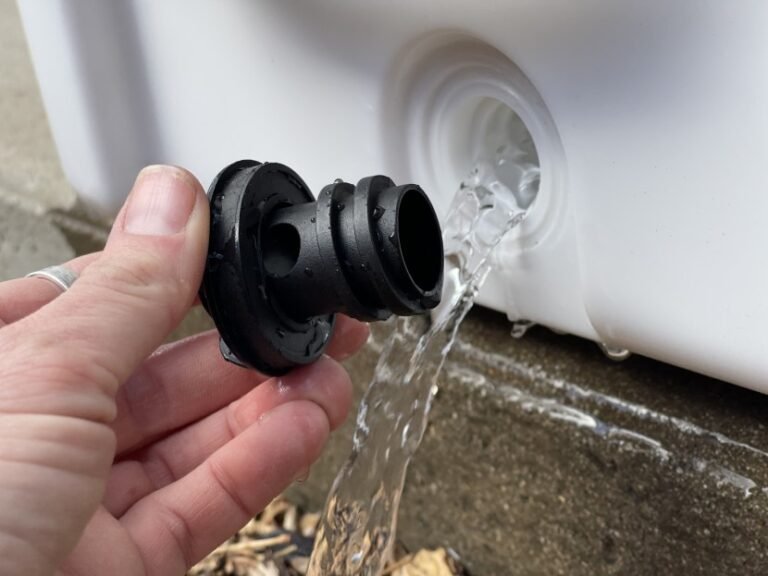
Plano and similar brands offer shallow drainage trays that sit under coolers, catching melt-water runoff and preventing ice slurry from pooling under gear bins.
Choosing Between Tonneau Covers and Bed Caps
Choose a soft roll-up tonneau if…
You need weather protection for overnight camps but require daily access to tall coolers and vertical rifle cases. Soft covers roll toward the cab in seconds, exposing the full bed without removal.
Choose a hard folding tonneau if…
You want lockable security for gear left in hotel parking lots during highway travel, and your coolers and cases fit under the cover’s interior height (typically 10–12 inches).
Choose a bed cap (camper shell) if…
You camp in the truck bed itself or need full-height storage for standing gun safes and extra coolers. Caps add 200+ pounds and reduce fuel economy but provide walk-in access and theft deterrence.
Organizing Small Essentials: The Items That Get Lost First
Knives, tags, rangefinders, and spare batteries disappear into duffel bags and coat pockets when they lack dedicated homes.
Shallow plastic organizer trays (the kind sold for tackle boxes) fit inside swing-case toolboxes and create compartments for small high-turnover items. Label each section with a label maker or tape to prevent pre-dawn fumbling.
Magnetic tool strips mounted inside the bed cap or against the cab wall hold fixed-blade knives and multi-tools within arm’s reach without loose-rattling in drawers.
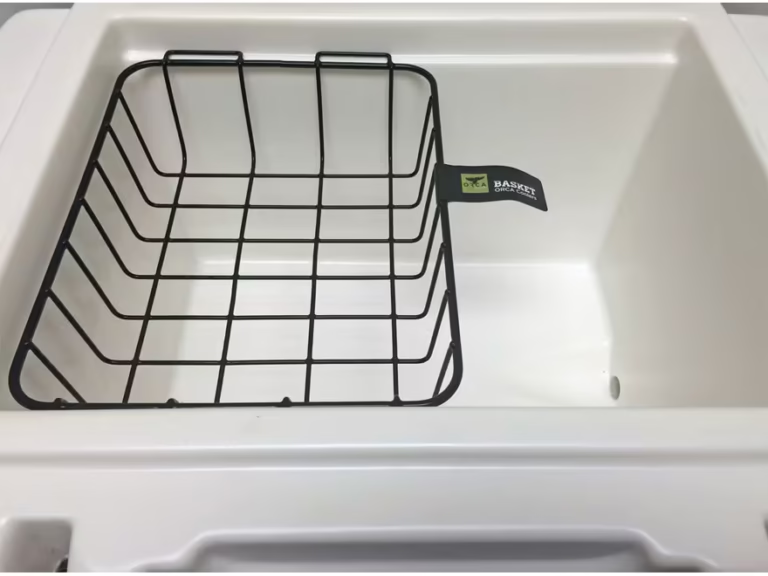
Hunters using the latest rotomolded coolers with built-in dry-goods baskets can store fire-starters, headlamps, and first-aid supplies in the cooler’s top tray, keeping them waterproof and centralized.
Store a second set of batteries (AA, AAA, CR123) in a waterproof case zip-tied to your headache rack. Headlamps and GPS units always die at the worst moments, and spares buried in a duffel might as well not exist.
Load Sequencing: What Goes In First, What Stays Accessible
Packing order determines whether you spend 20 minutes unloading at each stop or grab what you need and go.
Load sequence for a three-day deer hunt: (1) Cooler against the driver-side bed rail, strapped down. (2) Sleeping bag and tent rolled and lashed to headache rack crossbars. (3) Rifle case secured vertically to rack or laid flat atop the cooler if no rack is installed. (4) Swing-case toolbox loaded with licenses, knives, and headlamps. (5) Clothing duffel and extra layers in the passenger-side rear corner. (6) Chainsaw, come-along, and recovery gear in the front driver-side corner for emergency access.
Items you won’t touch until camp (extra fuel cans, folding chairs, cooking stoves) go in last, closest to the tailgate, where they can sit buried under lighter gear.
Reverse the logic when packing out: Meat goes in the cooler first (on top of remaining ice), heavy quarters stacked flat. Bloody game bags isolate in separate bins. Rifles and optics re-secure to the rack before loose items get thrown in around them.

Strengths and Trade-offs of Built-In Bed Systems vs. Modular Bins
Built-in systems (drawer slides, L-tracks, deck platforms)
- Maximize vertical space with slide-out drawers that keep gear organized without digging
- Permanently installed tie-down points eliminate strap-placement guesswork
- Weather-sealed compartments protect electronics and ammunition from moisture
- Resale value transfer to the next truck owner as a selling feature
Trade-offs
- Installation requires drilling into the bed, potentially voiding corrosion warranties
- Fixed layouts don’t adapt to variable loads (switching from solo hunts to group trips with multiple coolers)
- High upfront cost ($1,500–3,500 for full systems) compared to $200–400 for modular bins and racks
- Removal for truck-bed repairs or resale requires unbolting and patching holes
Firearm Transport: Legal and Practical Considerations
State and federal regulations govern how firearms travel in vehicles, and truck-bed storage introduces additional variables around accessibility and security.
Most states require unloaded firearms during transport, with ammunition stored separately. Hard-sided locking cases meet that standard and protect optics from road vibration. Soft cases suffice for short distances but offer no theft deterrence when parked overnight.
Cases mounted vertically to headache racks keep actions elevated above bed-floor condensation that can rust internals during multi-day trips in humid climates. Horizontal storage atop coolers works for shorter hunts but risks scope misalignment if cases shift under loose straps.
Locking cables threaded through trigger guards and secured to rack-mounted D-rings satisfy legal transport requirements in most jurisdictions and prevent opportunistic theft at gas stations. Check state-specific firearm transport laws before crossing state lines with rifles in the truck bed.
Hunters comparing rotomolded cooler brands for extended trips often pair them with rifle cases from the same manufacturer for consistent latching systems and color-matched aesthetics.
Seasonal Adjustments: Adapting Your Layout for Early vs. Late Hunts
Early-season bow hunts in warm weather require minimal cold-storage capacity but expanded gear volume for treestands and climbing sticks. A single 40-quart cooler for drinks and snacks frees the remaining bed for bulky equipment.
Late-season rifle hunts in freezing temperatures flip the priorities: Larger coolers (75+ quarts) prevent meat from freezing solid, and insulated clothing duffels consume more bed space than early-season setups.
Snow and ice accumulation on bed surfaces during November and December hunts makes non-slip mats essential. Frozen straps and buckles on tonneau covers become unusable; switching to bungee nets with hooks prevents fumbling with stiff webbing in sub-zero mornings.
For hunters storing additional coolers and gear between seasons, visit authorized dealers that offer trade-in credit toward larger models rather than accumulating redundant sizes.
The difference between a good hunt and a great hunt often comes down to whether you can find your headlamp at 4:30 a.m. Organization isn’t optional when you’re two hours from the nearest town.
Backcountry outfitter, Montana
Common Questions About Truck Bed Organization for Hunting
Ratchet straps anchored to factory bed tie-downs or added D-rings create a non-slip web around the cooler. Position straps in an X pattern over the lid and tighten until the cooler doesn’t shift when you push it with both hands. Rubber bed mats add friction but aren’t sufficient alone for heavy coolers on steep descents.
No. Bears tear through tonneau covers and bend tailgates to reach food scents. Store coolers inside a hard-sided camper shell with all windows closed, or move them into a certified bear-proof locker at the trailhead. Some hunters transfer meat and perishables into portable bear canisters for overnight backcountry camps, leaving the empty cooler in the truck.
Dedicated plastic bins with gasketed lids (like those from Plano) isolate odors and fluids from clean clothing and sleeping bags. Line bins with heavy-duty trash bags for easy cleanup. Store these bins in the bed’s rear corner, farthest from the cab, and strap them down separately from your cooler to prevent cross-contamination during transport.
Tonneau covers work for most hunters hauling standard coolers and rifle cases. Bed caps make sense if you need full standing height for multiple large coolers, if you camp in the truck bed itself, or if you want to mount roof racks for kayaks and additional cargo. Caps add weight and cost but provide superior weather sealing and theft protection.
Check your truck’s door-jamb sticker for payload capacity (typically 1,200–2,200 pounds for half-ton pickups). A 75-quart cooler fully loaded with ice and meat weighs 120–150 pounds. Add rifles (10–15 pounds each), toolboxes (30–50 pounds), and camping gear, and you can approach limits quickly. Weigh your loaded truck at a truck stop scale before long trips to avoid suspension damage and tire blowouts.
Factory under-bed spare locations are fine for highway travel but expose the tire to mud, road salt, and theft. Hunters running full bed-length coolers and gear often relocate the spare to a bed-mounted swing arm or inside a bed cap to reclaim the factory location for additional fuel cans or recovery gear. Swing-arm mounts attach to the tailgate or bed rail and keep the spare accessible without unloading the bed.
Rotomolded coolers like those from Orca Coolers hold ice 5–7 days longer than foam models, critical for week-long backcountry hunts where resupply isn’t possible. Their thicker walls and rubber gaskets prevent scent leakage that attracts predators to camp. One-piece construction (no seams to fail) survives rough roads and being used as a truck-bed step. The weight penalty (75-quart rotomolded coolers weigh 38–45 pounds empty vs. 18–22 pounds for foam equivalents) is offset by durability and ice retention.
Shallow toolboxes with foam inserts or adjustable dividers prevent wrenches and sockets from bouncing. Bungee cargo nets stretched across the bed’s front corners create pockets for come-alongs, tow straps, and shackles. Some hunters mount milk crates or ammo cans to the bed rails with U-bolts, creating semi-permanent cubbies for high-turnover items like gloves and flashlights.
Final Takeaway: Build Around Your Cooler, Then Layer Upward
The most reliable truck-bed layouts for hunting start with cooler placement over the rear axle, add vertical storage via headache racks or bed caps, and finish with side-swing toolboxes for daily-access essentials.
Modular systems outperform fixed drawer installations for hunters who switch between solo trips and group expeditions — the ability to reconfigure bin placement around variable cooler counts matters more than millimeter-perfect organization.
Invest in quality tie-downs, weatherproof bins, and non-slip bed mats before spending on aesthetic upgrades. A $40 set of ratchet straps prevents thousands of dollars in damaged gear when you hit an unexpected pothole on a Forest Service road.
Test your layout on a short overnight trip before committing to a week-long backcountry hunt. The first time you discover your headlamp is buried under the sleeping bag should be 20 minutes from home, not two hours down a trailhead access road.
Your Truck Bed Is a Mobile Base Camp — Organize It Like One
Efficient truck-bed organization for hunting isn’t about buying the most expensive storage system. It’s about weight balance, quick access to high-turnover items, and keeping meat cold while preventing gear damage on rough roads.
Start with a proven cooler positioned over the rear axle, add vertical rifle storage to free floor space, and use side-swing toolboxes to eliminate the need to drop the tailgate at every stop.
The hunters who spend the least time digging through their truck beds are the ones who can focus on glassing distant ridgelines instead of searching for misplaced rangefinders.