Keeping Ice Longer: The Science Behind Roto-Molded Cooler Walls
How rotational molding and insulation engineering deliver multi-day ice retention

Conventional Injection-Molded Coolers
Standard coolers with multi-piece construction and thin walls
Alternatives at a glance
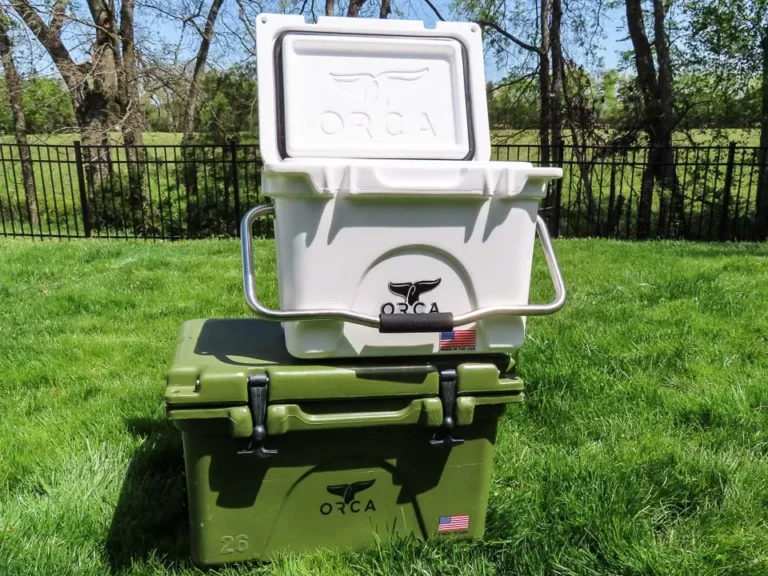
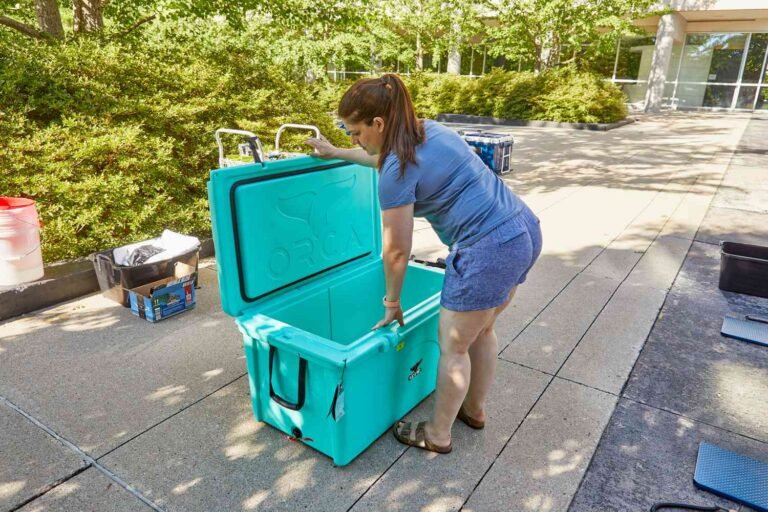
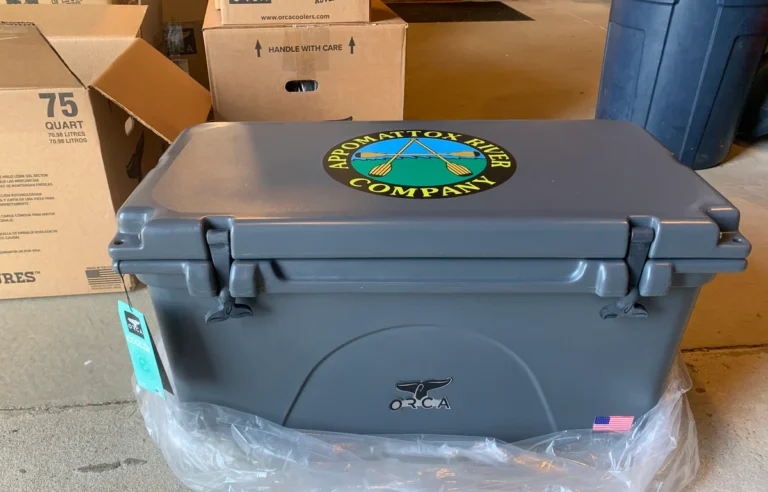
Orca Coolers
American-made roto-molded coolers with certified bear-resistance and premium insulation.
Pelican Elite Series
Marine-grade roto-molded coolers built to withstand harsh outdoor environments.
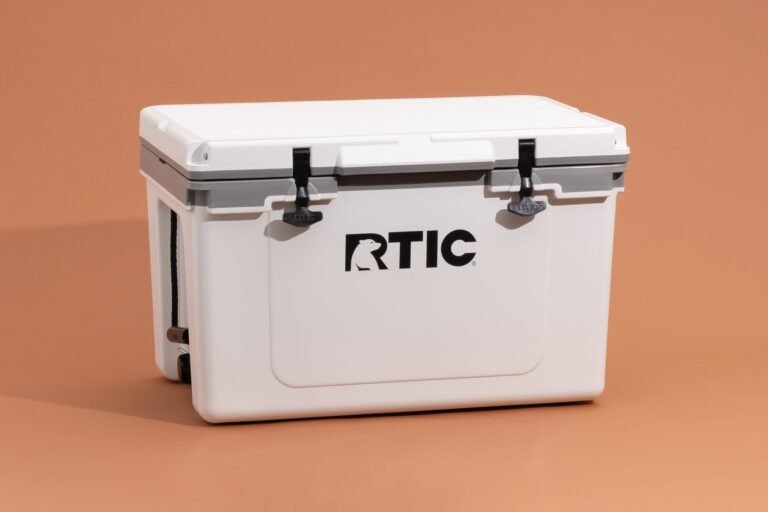
RTIC Ultra-Light
Value-oriented roto-molded coolers with competitive ice retention at lower price points.
Grizzly Coolers
Roto-molded designs with lifetime warranty and oversized drainage systems.
Premium Roto-Molded Alternatives at a Glance

Orca Coolers
American-made with IGBC certificationBuilt for commercial fishing and extreme heat

Pelican Elite Series
Marine-grade UV resistanceTrusted by offshore charter captains

RTIC Ultra-Light
Competitive price pointValue option without sacrificing days of ice
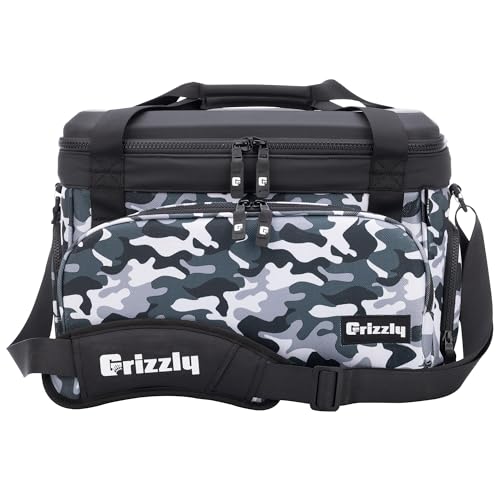
Grizzly Coolers
Lifetime warranty includedHunting-focused design and drainage
Why Standard Cooler Walls Fail in Extended Use
Traditional injection-molded coolers use thin plastic shells with minimal insulation between inner and outer walls. The two-piece construction creates seams where warm air infiltrates.
Most budget coolers feature 1-2 inches of foam insulation. That’s adequate for day trips but insufficient for multi-day ice retention in warm climates.
Seams between lid and body create thermal bridges. Even with gaskets, temperature differential pulls heat into the interior through these junction points.
The result: ice melts within 24-48 hours under typical summer conditions. Refilling with fresh ice becomes necessary on any trip longer than a weekend.
How Rotational Molding Creates Seamless Insulated Walls
Rotational molding transforms cooler construction by eliminating seams and enabling thick insulation layers.
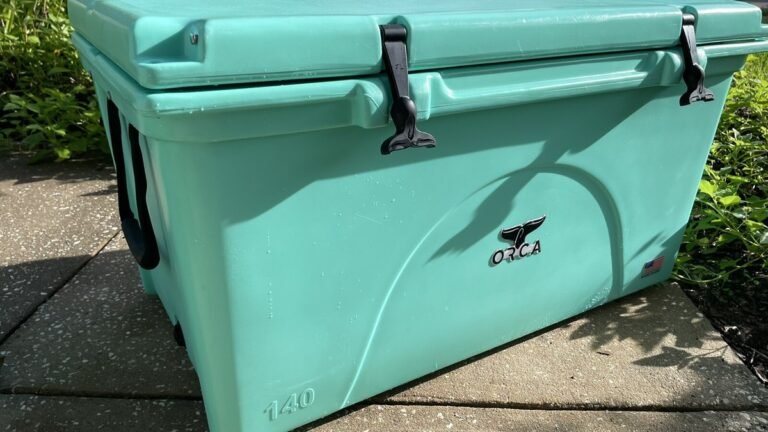
The process begins with polyethylene resin loaded into a hollow mold. The mold rotates on two axes while heated to 500-600°F, distributing melted plastic evenly across interior surfaces.
According to Popular Mechanics’ manufacturing explainer, this rotation ensures uniform wall thickness without weak points or injection gates.
Once the outer shell cools, manufacturers inject polyurethane foam insulation between inner and outer walls. Premium coolers use 2-3 inches of closed-cell foam throughout.
The inner shell undergoes the same rotational process. The final assembly creates a single-piece construction with no seams in the body—only the lid gasket remains as a potential thermal bridge.

Thermal Performance Specifications That Matter
Material Science: Why Polyurethane Outperforms Polystyrene
Closed-cell polyurethane foam offers superior thermal resistance compared to expanded polystyrene (the white foam in budget coolers). The cell structure traps gas bubbles that resist heat transfer.
ASTM International’s thermal insulation standards measure performance using R-value per inch. Polyurethane achieves R-6 to R-7 per inch versus R-4 to R-5 for polystyrene.
In practical terms, a 2.5-inch polyurethane wall provides the same insulation as a 4-inch polystyrene wall. Roto-molded coolers deliver better performance in a more compact footprint.
The foam also adds structural rigidity. Premium roto-molded coolers withstand 500+ pounds of weight on the lid—enough to use as a standing platform or seat during fishing trips.
Strengths and Trade-Offs of Roto-Molded Construction
Performance Advantages
- Ice retention extends to 5-10 days in typical conditions with proper pre-chilling
- Seamless body construction eliminates leak points and thermal bridges
- Bear-resistant certification available on premium models (IGBC approved)
- Structural durability supports commercial use and rough transport
- Thick walls resist UV degradation and impact damage
Practical Considerations
- Purchase price ranges from $250-$600 depending on capacity and brand
- Weight increases significantly—75-quart models weigh 35-40 pounds empty
- Exterior dimensions grow due to thick insulation (less interior volume per footprint)
- Rotational tooling limits color and texture options compared to injection molding
- Oversized designs require truck bed or large vehicle for transport
Real-World Ice Retention: What the Numbers Mean
Manufacturers advertise ice retention in days, but actual performance depends on several variables. Ambient temperature, sun exposure, and opening frequency all impact results.
A 2:1 ice-to-contents ratio provides the thermal mass needed for extended retention. Pre-chilling the cooler for 12-24 hours before loading improves performance by 30-40%.
Block ice melts slower than cubed ice due to lower surface area. Combining a base layer of block ice with cubed ice on top extends retention by 1-2 days.
In controlled tests, premium roto-molded coolers maintain ice for 7-8 days at 90°F ambient temperature with minimal opening. Real-world camping use typically yields 4-6 days.
For reference, Pelican claims 10 days of ice retention on its Elite 70-quart model. RTIC advertises 8+ days on comparable capacity coolers. Grizzly Coolers targets 8-10 days depending on model and conditions.
Premium Brands and Their Design Philosophies
Each manufacturer approaches roto-molding with distinct priorities around durability, weight, and feature sets.
Orca Coolers emphasizes American manufacturing and commercial-grade construction. The Nashville-based company builds coolers to IGBC bear-resistance standards and offers lifetime warranties on all roto-molded models.
Every Orca unit ships with cargo net attachments, integrated cup holders, and non-slip feet. The focus is outfitters, fishing guides, and extended backcountry use.
Pelican targets marine environments with UV-resistant exterals and stainless steel hardware. The Elite series uses thicker walls (up to 2 inches of insulation) and molded-in tie-down slots.
RTIC positions as the value alternative. The Texas-based brand uses similar roto-molding processes but streamlines features to hit lower price points—often 30-40% below competitors.
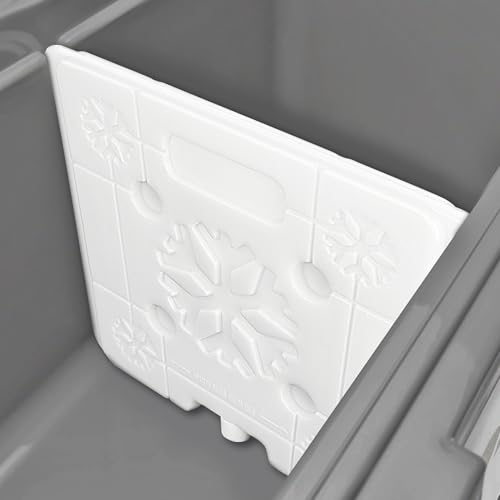
Grizzly Coolers caters to hunters with oversized drainage systems and camo finishes. The brand includes dividers and dry-goods baskets standard on most models.
For shoppers comparing specifications, detailed head-to-head comparisons help clarify which features justify price differences.
Which Roto-Molded Cooler Fits Your Use Case
Choose Orca or Grizzly if…
You need bear-resistance certification for backcountry camping, require lifetime warranty coverage, or prioritize American manufacturing. These brands justify premium pricing with commercial-grade durability and customer support.
Choose Pelican if…
Saltwater exposure and UV resistance matter most. Offshore fishing, beach outings, and marine transport benefit from Pelican’s stainless hardware and fade-resistant shells. The Elite series handles harsh coastal environments better than hunting-focused alternatives.
Choose RTIC if…
Budget constraints limit cooler investment but multi-day ice retention remains essential. RTIC delivers 80% of premium performance at 60% of the cost—ideal for occasional campers and weekend warriors who don’t need bear certification.
Maintenance and Longevity Considerations
Roto-molded coolers require minimal maintenance beyond periodic cleaning. Soap and water remove residue; avoid harsh chemicals that degrade rubber gaskets.
Gasket replacement extends cooler lifespan. Most manufacturers sell replacement seals for $15-$30. Swapping worn gaskets every 3-5 years maintains original ice retention.
Store coolers with lids slightly open to prevent mildew. Trapped moisture in sealed coolers creates odor and mold growth during off-season storage.
UV exposure fades exterior colors over years of use, but it doesn’t compromise structural integrity or insulation performance. Covers extend cosmetic lifespan in sunny climates.
Shoppers researching current pricing should check active promotions and compare top-performing models before committing to a specific brand.
Pre-Chilling: The Step Most Users Skip
Fill your cooler with sacrificial ice 12-24 hours before your trip. Let that ice melt completely, drain the water, then load fresh ice and contents. This pre-chill step brings interior walls to freezing temperature and extends retention by 1-2 days. Commercial fishing guides consider it mandatory prep.
When Roto-Molding Isn’t Worth the Investment
Day trips and picnics don’t justify premium cooler costs. A $40 injection-molded cooler handles 6-8 hours of ice retention for casual outings.
Weight limitations matter for solo backpackers and kayakers. Soft-sided coolers with closed-cell foam insulation offer better portability for short trips.
Budget constraints legitimately steer buyers toward mid-range options. Not every camper needs 7-day ice retention—many trips last 2-3 days and work fine with standard coolers.
Urban use cases (tailgating, backyard parties, beach days) rarely benefit from extreme ice retention. Proximity to ice resupply reduces the value of premium insulation.
For shoppers exploring entry-level options, recently released models sometimes offer improved features at lower price points than established premium lines.
Common Questions About Roto-Molded Cooler Technology
In controlled conditions with minimal opening, pre-chilling, and 2:1 ice ratio, yes. Real-world camping use typically yields 5-7 days depending on ambient temperature and how often you access contents. Block ice extends retention versus cubed ice.
Manufacturing complexity drives cost. Rotational molding requires custom tooling and longer production cycles than injection molding. Premium materials (thick polyurethane foam, commercial gaskets, stainless hardware) add to the bill. Most brands include lifetime warranties that factor into pricing.
Requirements vary by location. Many Western parks mandate IGBC-certified containers in backcountry zones. Car-camping areas have different rules. Check specific park regulations before your trip. Bear-resistant coolers also deter raccoons and other wildlife at any campsite.
Yes, but follow manufacturer guidelines. Dry ice sublimates into CO2 gas that builds pressure. Most roto-molded coolers handle dry ice safely if you vent the drain plug slightly. Never seal a cooler completely with dry ice inside—pressure buildup can crack seals or warp lids.
Approximately 1-2 additional days of ice retention in hot climates. Thicker insulation also reduces exterior surface temperature—the cooler feels less hot to touch in direct sun. Trade-off: exterior dimensions grow while interior capacity shrinks slightly. Most users find 2-2.5 inches adequate for week-long trips.
Choosing Insulation That Matches Your Trip Length
Roto-molded cooler walls represent the current peak of portable refrigeration technology. The seamless construction and thick polyurethane insulation deliver ice retention that standard coolers can’t approach.
For multi-day camping, fishing charters, and expedition use, the investment pays off in convenience and food safety. Eliminating mid-trip ice runs justifies the upfront cost over years of use.
Shoppers should match insulation performance to actual trip duration. Weekend campers may find mid-range options sufficient. Week-long backcountry travelers benefit from premium construction.
Independent reviews and authorized retailer comparisons help identify which brands deliver on ice-retention claims. Focus on wall thickness, gasket quality, and warranty coverage rather than marketing hype.
The science is settled: thick walls, seamless construction, and closed-cell foam keep ice frozen longer. The decision comes down to whether your outdoor activities justify the premium.