Fishing Season Prep: Coolers, Ice, and Cold-Chain Basics for 2026
Cold-chain protocols that keep your catch safe from water to table
fishing coolers and cold-chain gearRecreational anglers planning for the 2026 season face a cold-chain challenge that tournament pros solved decades ago: maintaining sub-40°F temperatures from the moment a fish leaves the water until it reaches refrigeration.
The difference between a cooler that holds ice for three hours versus three days determines whether you bring home safe fillets or spoiled protein. Ice ratios, drain-plug management, and pre-chilling routines separate successful fishing trips from wasted effort.
Modern rotomolded coolers, foam-core marine boxes, and traditional hard-sided models each solve distinct cold-chain scenarios. Choosing the right platform starts with understanding how long your catch will stay on board and how much ice weight you’re willing to carry.
Plano
Marine-grade plastic construction at entry-level pricing, ideal for day trips where ice retention under six hours meets typical dock-to-home timelines.
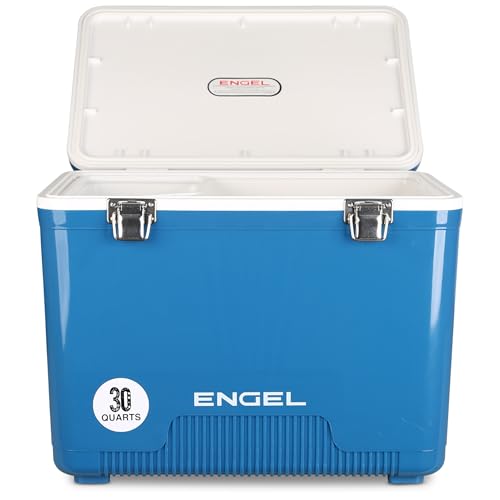
Engel Coolers
Thick-wall foam insulation and airtight gaskets deliver multi-day ice retention without the weight penalty of rotomolded designs, balancing portability and performance.
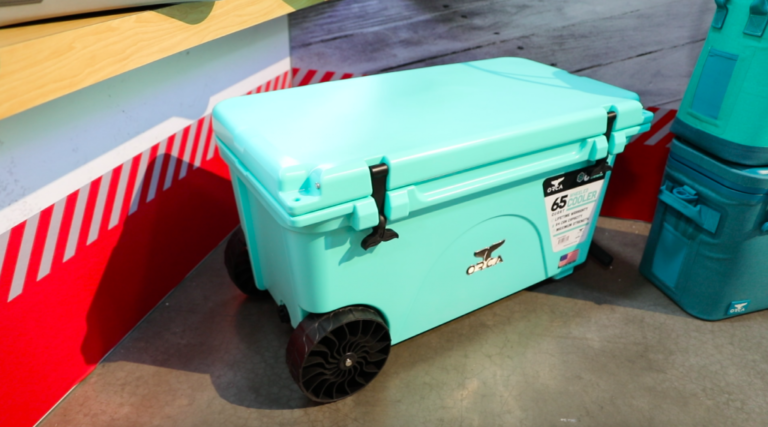
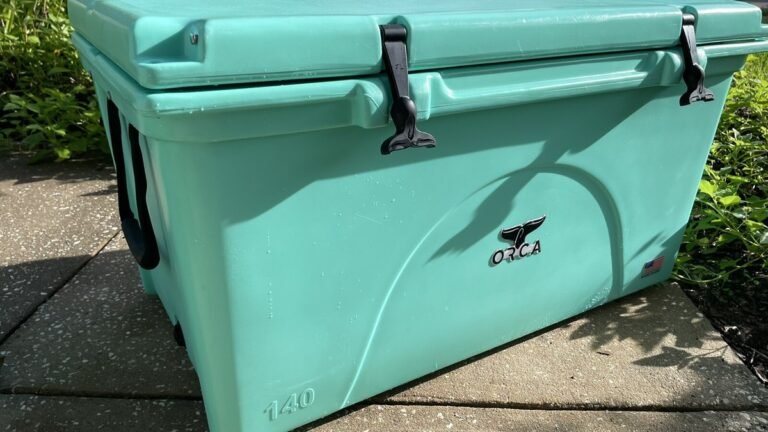
Orca Coolers
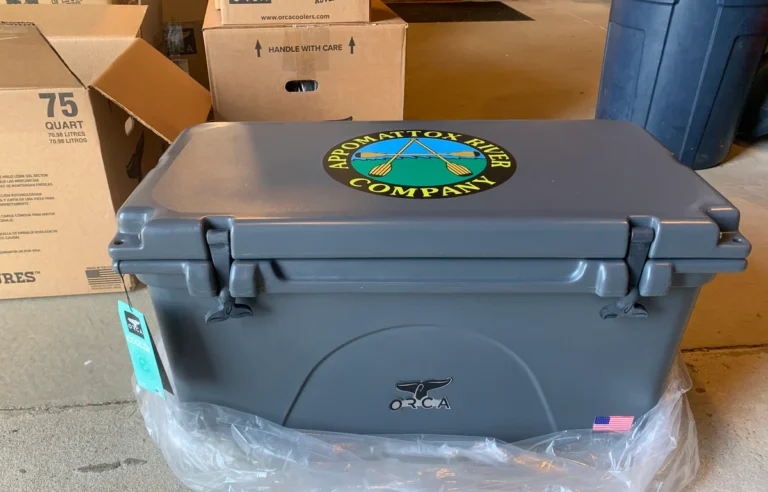
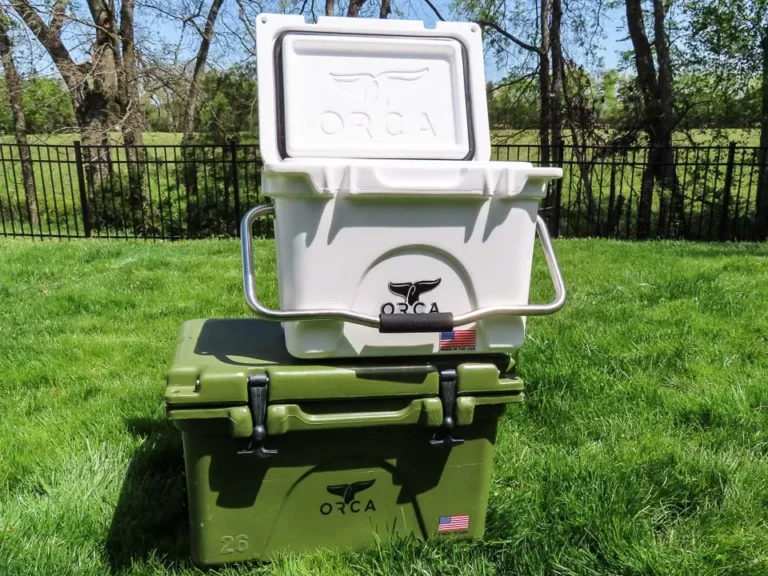
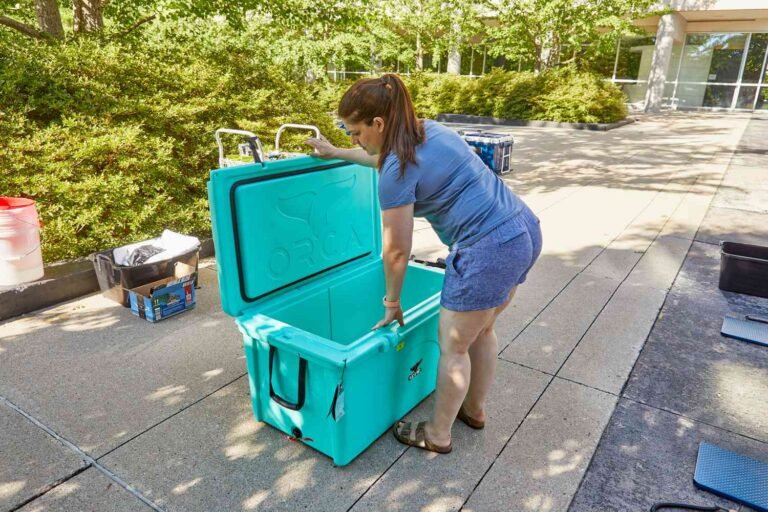
Rotomolded construction with commercial-grade gaskets and integrated drainage systems holds ice beyond 72 hours, meeting offshore and multi-day expedition demands.
K2 Coolers
Purpose-built for competitive anglers needing certified ice retention during weigh-in delays, with reinforced corners and non-slip surfaces engineered for boat-deck durability.
At a Glance: Leading Fishing Cooler Platforms

Plano
Marine-grade plastic at accessible pricingDay-trip workhorse for nearshore anglers

Engel Coolers
Thick-wall foam insulation without rotomolded weightMulti-day ice retention in portable form

Orca Coolers
72-hour ice retention with commercial gasketsOffshore and expedition cold-chain anchor

K2 Coolers
Tournament-certified retention with reinforced cornersCompetition-grade platform for weigh-in delays
What to Look for When Shopping Fishing Coolers
Ice-to-Fish Ratios and Pre-Chilling Protocols
The 2:1 ice-to-fish ratio by weight remains the industry standard for safe cold-chain management. A 15-pound red snapper requires 30 pounds of ice to reach and maintain sub-40°F temperatures throughout a typical fishing day.
Pre-chilling the cooler 12-24 hours before departure with sacrificial ice reduces thermal mass and prevents the first load of ice from melting immediately upon contact with warm plastic. Tournament anglers routinely sacrifice 10-15 pounds of ice the night before a competition to pre-condition their coolers.
Sport Fishing Magazine recommends layering ice in three zones: a base layer covering the drain, a mid-layer surrounding the catch, and a top layer sealing the load from ambient air. This geometry minimizes warm-air pockets and extends ice life by 20-30 percent compared to single-layer methods.
Block ice melts slower than cubed ice but creates fewer contact points with the catch. A hybrid approach—blocks for thermal mass, cubes for surface contact—balances retention time against cooling speed.

Rotomolded vs. Foam-Core vs. Marine Plastic Construction
Rotomolded coolers use seamless single-piece construction with 2-3 inches of pressure-injected foam insulation. The manufacturing process creates airtight shells that eliminate the thermal bridges found in welded or glued cooler seams.
Orca Coolers builds rotomolded platforms with walls approaching three inches thick in their premium lines, achieving ice retention beyond 72 hours in controlled tests. The trade-off arrives in weight: a 58-quart rotomolded cooler weighs 32 pounds empty, compared to 18 pounds for an equivalently sized foam-core model.
Foam-core coolers sandwich expanded polystyrene between thin plastic shells. Engel Coolers pioneered thick-wall foam designs that approach rotomolded performance at half the weight, making them the preferred choice for anglers who launch from remote beaches or hike to alpine lakes.
Marine-grade plastic coolers use blow-molded shells with minimal insulation, targeting the day-trip market where six-hour ice retention suffices. Plano dominates this segment with UV-stabilized designs that survive years of deck exposure at price points 60-70 percent below rotomolded competitors.
Tier-by-Tier Cooler Comparison
| Brand | Construction | Ice Retention | Weight (58qt) | Price Range |
|---|---|---|---|---|
| Plano | Marine plastic | 6-12 hours | 18 lbs | $80-$120 |
| Engel Coolers | Thick-wall foam | 24-48 hours | 22 lbs | $180-$240 |
| Orca Coolers | Rotomolded | 72+ hours | 32 lbs | $300-$400 |
| K2 Coolers | Rotomolded | 72+ hours | 34 lbs | $320-$420 |
Construction method determines ice retention and weight; match the platform to your typical trip duration and portability needs.
Drainage Systems and Meltwater Management
Garden-hose-threaded drain plugs connect standard hoses directly to the cooler, allowing gravity-fed drainage without tipping a 60-pound loaded unit. Recessed plug designs prevent accidental opening when the cooler slides across a boat deck.
Elevated drain placement—one to two inches above the cooler floor—creates a meltwater reservoir that keeps catch submerged in ice-cold slurry without floating in warm surface water. This detail extends safe cold-chain windows by four to six hours in field conditions.
Dual-drain systems on premium models allow simultaneous front and rear drainage, critical when the cooler is wedged into a boat’s fish hold or truck bed with limited access to a single drain point.
Anglers targeting species like mahi-mahi or wahoo that produce significant blood volume benefit from quick-drain systems that evacuate fluids without opening the lid and breaking the cold chain. Some tournament models integrate perforated baskets that suspend catch above the drain zone entirely.
Cooler manufacturers release new models in January and February ahead of spring fishing seasons. Retailers often discount prior-year inventory by 20-30 percent during this window. Check seasonal promotions for rotomolded platforms that rarely see mid-season discounts.
Safe Handling and NOAA Cold-Chain Guidelines
NOAA Fisheries recommends maintaining fish at or below 40°F from the moment of catch to prevent bacterial growth that causes spoilage and potential foodborne illness. The agency’s safe handling protocols specify that fish stored above 40°F for more than two hours enter the danger zone for pathogen proliferation.
Bleeding and gutting fish immediately after catch reduces internal temperature faster than ice contact alone. A gutted snapper reaches safe storage temperature 40-50 percent faster than a whole fish of equivalent size.
Layering fish with ice rather than piling catch on top of ice creates uniform cooling. Each fish should contact ice on at least three sides; stacking fish without ice layers between them creates warm pockets that exceed safe temperature thresholds.
Anglers planning to freeze their catch should transition fish from cooler to freezer within four hours of returning to shore. Prolonged cooler storage—even with adequate ice—introduces temperature fluctuations that degrade texture and flavor.
Tournament and Competition-Specific Considerations
Bassmaster tournament rules often mandate specific cooler features including certified ice retention, reinforced latches, and external measurement markings for rapid weigh-in processing. K2 Coolers designs meet these specifications with molded-in ruler tracks and industrial-grade hinges.
Weigh-in delays—common in multi-flight tournaments—can extend cold-chain requirements to 12-16 hours. Competitors pre-chill coolers for 48 hours and use frozen gel packs in addition to block ice to maintain sub-40°F temperatures through afternoon weigh-ins.
Live-well transfers require coolers with smooth interiors free of sharp edges that damage scales or fins. Some anglers use dedicated aeration systems within coolers to keep tournament bass alive until weigh-in, though this approach demands significantly larger ice volumes to offset oxygenation heat.
Prize fish destined for taxidermy need immediate freezing to preserve scale and fin condition. Anglers targeting trophy-class catches often carry separate coolers pre-loaded with dry ice, which maintains sub-zero temperatures that prevent cellular degradation during transport to the taxidermist.
Choosing Your Platform: Day Trips vs. Extended Expeditions
Day trips (6-12 hours on water)
Marine-grade plastic coolers provide adequate ice retention for nearshore and lake fishing where you’ll return to vehicle or dock within a half-day. Prioritize portability and quick-drain features over extended retention. Plano’s UV-stabilized models handle years of deck exposure at entry-level pricing.
Overnight and multi-day trips
Rotomolded or thick-wall foam construction becomes essential when ice must last 48-72 hours. The weight penalty is unavoidable—plan your carry logistics accordingly. Engel Coolers balances retention and weight for backpack-in alpine fishing; Orca Coolers anchors offshore and expedition cold chains where portability matters less than absolute retention.
Tournament and competition fishing
Certified retention ratings and rule-compliant features narrow the field to purpose-built platforms. K2 Coolers and similar tournament-focused brands integrate reinforced latches, external measurement tracks, and bear-resistant certification required by many competitive circuits. Pre-chill for 48 hours and plan for 2.5:1 ice ratios to cover weigh-in delays.
Sizing: Matching Capacity to Typical Catch Volume
A 58-quart cooler accommodates 20-25 pounds of filleted fish plus the required 40-50 pounds of ice, making it the baseline for serious anglers. Smaller 26-quart models serve solo outings targeting panfish or trout where daily limits rarely exceed 10 pounds.
Offshore anglers targeting tuna, marlin, or large grouper often require 110-quart or larger platforms. A single 40-pound yellowfin tuna demands 80 pounds of ice and occupies 50+ quarts of space; add a second fish and you’ve outgrown standard cooler sizing entirely.
Cooler manufacturers size their lines in quart increments (26, 40, 58, 75, 110, 140), but internal geometry varies by brand. Always measure interior dimensions against your typical catch—a 58-quart cooler with a narrow floor may not accommodate a whole redfish, while a wider 58-quart model handles the same fish with room for ice layers.
Multi-cooler systems split ice storage from catch storage, extending cold-chain windows by preventing warm catch from melting the primary ice supply. Tournament pros often carry a dedicated ice cooler that feeds smaller catch coolers throughout the day.
Accessories and Cold-Chain Enhancements
Divider systems create separate compartments for ice and catch, preventing cross-contamination and allowing staged cooling. Adjustable dividers accommodate varying catch sizes throughout a trip.
Insulated cooler blankets—reflective fabrics that cover the exterior—reduce solar heat gain by 30-40 percent when coolers sit on open decks. The investment pays off in extended ice life during summer offshore trips.
Non-slip pads and bungee tie-down kits secure coolers during rough water. A sliding 60-pound cooler becomes a safety hazard in three-foot seas; proper anchoring prevents both injury and equipment damage.
Cutting boards and fillet trays that mount directly to cooler lids create on-board processing stations. Processing fish immediately and storing only fillets rather than whole fish reduces cooler-space requirements by 50-60 percent.
Maintenance: Extending Service Life Beyond Five Seasons
Rinse coolers with freshwater after every saltwater trip to prevent corrosion of hinges, latches, and drain hardware. Saltwater residue accelerates UV degradation of plastic and rubber components.
Gasket replacement every 2-3 years maintains airtight seals. Most manufacturers sell replacement gasket kits; the process requires only a screwdriver and 20 minutes.
Store coolers open and elevated off concrete floors to prevent mildew growth and bottom-surface moisture retention. A partially open lid allows air circulation that eliminates odors.
Annual deep cleaning with baking-soda solution neutralizes fish oils and blood residue that standard rinsing misses. Avoid bleach-based cleaners that degrade gaskets and plastics.
Strengths and Trade-offs of Rotomolded Platforms
Why anglers choose rotomolded coolers
- Ice retention beyond 72 hours supports multi-day offshore trips and extended expeditions without re-icing
- Seamless construction eliminates thermal bridges and leak points that plague welded or glued coolers
- Commercial-grade gaskets and hardware withstand years of saltwater exposure and rough handling
- Integrated tie-down points and reinforced corners meet tournament and charter-boat durability standards
Trade-offs to consider
- Weight when loaded (80-100 pounds for a 58-quart model with ice and catch) limits portability for solo anglers
- Price points 3-4× higher than marine-grade plastic alternatives create barriers for casual or seasonal anglers
- Bulky exterior dimensions challenge storage in smaller boats and compact vehicle cargo areas
- Overkill for day trips where 6-12 hour ice retention meets typical cold-chain needs
Rotomolded coolers from Orca, K2, and similar manufacturers appear in outdoor specialty retailers, marine supply stores, and direct-to-consumer channels. Check authorized dealer networks for in-person inspection of gasket quality and latch mechanisms before committing to premium pricing. Recent releases often incorporate updated drainage systems and lighter-weight foam formulations.
Regional Considerations: Warm-Climate vs. Cold-Water Fisheries
Gulf Coast and Caribbean anglers face ambient temperatures that can exceed 95°F on deck, accelerating ice melt and demanding higher ice ratios. A 2.5:1 or even 3:1 ice-to-fish ratio becomes necessary to maintain sub-40°F temperatures through afternoon returns.
Pacific Northwest and Great Lakes anglers benefit from cooler ambient conditions that reduce ice-melt rates. A 1.5:1 ratio often suffices for spring and fall fishing when air temperatures stay below 70°F.
High-altitude fishing introduces rapid temperature swings between morning and afternoon. Pre-chilling becomes critical in alpine environments where a cooler left in direct sun can gain 30-40°F of interior temperature before the first catch even arrives.
Subtropical regions with year-round fishing seasons see heavier cooler wear due to constant use. Investing in UV-stabilized materials and replaceable components pays off in markets where coolers operate 12 months annually rather than seasonally.
Top Accessories for Cold-Chain Optimization
1. Reusable ice packs — Freeze solid blocks that won’t dilute meltwater or create drainage issues
Gel packs rated to 15°F freeze harder than water ice and melt slower, extending retention by 8-12 hours in controlled tests.
Reusable packs eliminate the need to source block ice in remote areas. A set of six large packs (4-5 pounds each) provides baseline cooling for a 58-quart cooler.
2. Insulated fish bags — Separate catch from ice to prevent water-logging and texture degradation
Heavy-duty bags create a barrier between fish and meltwater while maintaining thermal contact with ice layers.
Bags simplify transfer from boat to home freezer—sealed catch moves directly from cooler to freezer without handling individual fillets.
3. Digital thermometers — Monitor interior temperature to verify sub-40°F compliance
Wireless thermometers with exterior displays allow real-time monitoring without opening the lid and breaking the cold chain.
NOAA-compliant anglers use logging thermometers that record temperature over time, providing documentation for tournament or commercial fishing requirements.
4. Cooler slide mats — Reduce friction when loading heavy coolers into truck beds or boat holds
- HDPE plastic mats rated for 300+ pounds allow one person to slide a loaded cooler rather than lift it
- UV-resistant materials withstand years of outdoor storage without cracking or degrading
- Textured surfaces prevent cooler shifting during transport while allowing smooth directional sliding
Comparing Orca to Pelican: Rotomolded Platforms Head-to-Head
Pelican coolers entered the fishing market with aerospace-grade latches and military-spec construction inherited from their protective case division. Orca Coolers countered with thicker insulation and larger gasket channels that prioritize ice retention over ruggedization.
The performance delta shows in multi-day tests: Orca’s three-inch walls hold ice 6-8 hours longer than Pelican’s 2.5-inch walls in equivalent quart sizes. Pelican’s advantage appears in airline-checkable models with TSA-compliant latches, a feature irrelevant to most recreational anglers.
Price parity at the 58-quart size ($320-$360 street pricing for both brands) shifts the decision to specific features. Anglers prioritizing maximum retention choose Orca; those needing fly-in expedition compatibility choose Pelican’s airline-rated platforms.
For a detailed feature-by-feature comparison of gasket design, latch mechanisms, and real-world ice retention data, see the full Orca vs Pelican analysis.
Common Questions About Fishing Coolers and Cold-Chain Management
Use a 2:1 ice-to-fish ratio by weight as the baseline: 40 pounds of ice for 20 pounds of fish. Increase to 2.5:1 or 3:1 in hot climates or when retention windows exceed 12 hours. Pre-chilling the cooler 12-24 hours in advance reduces the ice volume needed by 10-15 percent.
Dry ice maintains sub-zero temperatures ideal for long-term storage or taxidermy preservation, but direct contact with fish causes freezer burn. Wrap dry ice in newspaper or towels to create a thermal buffer. Ensure adequate ventilation—dry ice sublimates into CO2 gas that can displace oxygen in enclosed spaces like boat holds.
Rotomolded coolers use seamless single-piece construction with thick pressure-injected foam, achieving 48-72+ hour ice retention. Blow-molded coolers have thinner walls and minimal insulation, targeting 6-12 hour retention for day trips. Rotomolded models weigh 50-70 percent more but cost 3-4× as much.
Rinse immediately after each trip with freshwater, then scrub with baking soda dissolved in warm water (1 cup per gallon). Leave the cooler open in direct sun for 4-6 hours—UV light neutralizes odor-causing bacteria. Avoid bleach or ammonia-based cleaners that degrade gaskets and plastic.
Multi-cooler systems extend cold-chain windows by preventing warm catch from melting the ice supply. Tournament anglers and multi-day expeditions benefit from this setup. Day-trippers can use a single cooler with a divider to separate ice from catch.
UV exposure accelerates plastic degradation and increases interior temperature. If deck storage is unavoidable, use an insulated cooler blanket or reflective cover to reduce solar heat gain by 30-40 percent. Store in shade whenever possible and pre-chill before loading catch.
Inspect gaskets annually for cracks, compression set, or UV damage. Replace every 2-3 years in high-use scenarios (year-round fishing, constant saltwater exposure). Most manufacturers sell replacement kits for $15-$30; installation requires 15-20 minutes and basic hand tools.
Calculate total expected catch weight, multiply by 2 for ice, then add 20 percent for interior geometry inefficiency. A family of four targeting 30 pounds of filleted fish needs 60 pounds of ice; a 75-quart cooler accommodates this load with room for drinks and snacks in a separate compartment.