The History of the American Hard-Side Cooler
How rotomolded designs transformed portable refrigeration for hunters, anglers, and outdoor enthusiasts

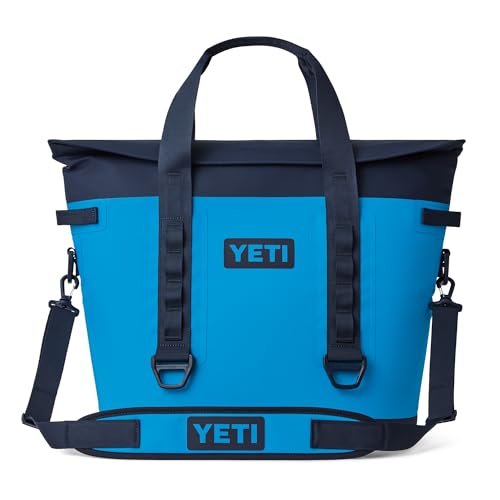
Traditional Soft Coolers
Lightweight portability meets limited ice retention
Alternatives at a glance
Rotomolded Hard-Side Coolers
Built with seamless construction for multi-day ice retention in extreme conditions.
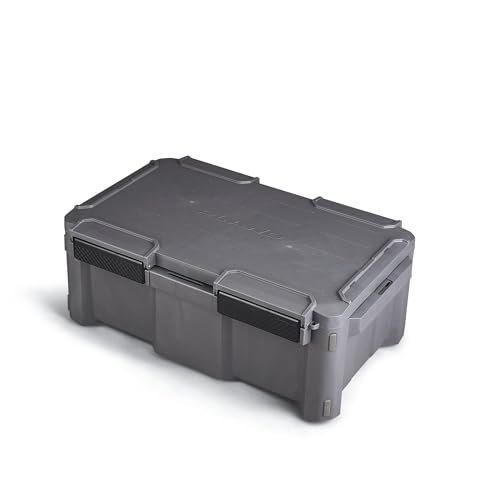
Injection-Molded Coolers
Budget-friendly hard cases with moderate insulation for day outings.
Metal-Exterior Coolers
Vintage-inspired steel or aluminum shells with modern insulation upgrades.
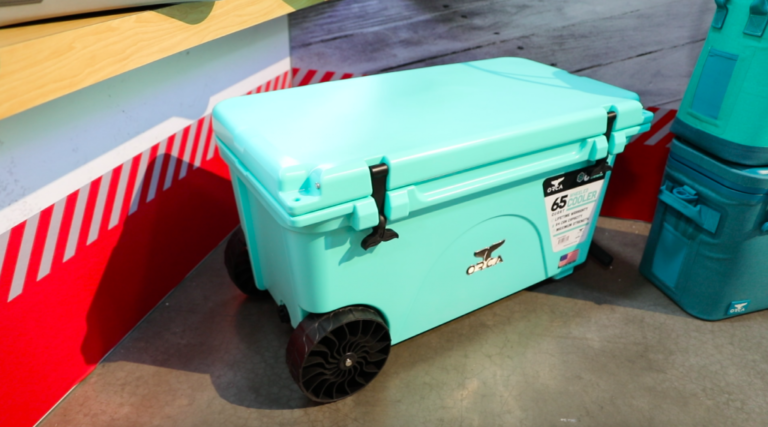
Wheeled Hard-Side Models
Large-capacity designs with built-in wheels for easier transport across rough terrain.
The Ice Trade and Early Portable Refrigeration
Before mechanical refrigeration became widespread, the American ice trade supplied homes and businesses with harvested blocks from northern lakes and rivers.
The first portable coolers emerged in the early 1900s as metal-lined wooden chests designed to hold ice during short trips.
These early designs relied on sawdust or cork insulation and required frequent ice replenishment.
Outdoor recreation grew rapidly after World War II, creating demand for lighter and more durable cooling solutions.
The Rise of Injection-Molded Plastic Coolers
Coleman introduced its first injection-molded plastic cooler in the 1950s, replacing heavy metal exteriors with affordable polypropylene shells.
Igloo followed with mass-market designs that prioritized portability over extended ice life.
These coolers used thin-wall construction and foam insulation, making them ideal for day trips but inadequate for longer expeditions.
By the 1970s, injection-molded coolers dominated the consumer market thanks to accessible pricing and widespread retail distribution.
Early Cooler Construction Methods
| Feature | Metal-Lined Wood | Injection-Molded Plastic | Rotomolded Polyethylene |
|---|---|---|---|
| Wall Thickness | 1–2 inches | 0.25–0.5 inches | 2–3 inches |
| Insulation Type | Sawdust or cork | Foam injection | Pressure-injected foam |
| Typical Ice Life | 12–24 hours | 1–2 days | 5–10 days |
| Weight (50-quart) | 35–45 lbs | 12–18 lbs | 30–40 lbs |
| Durability | Prone to rust | Cracks under impact | Bear-resistant shell |
| Era of Dominance | 1900s–1940s | 1950s–2000s | 2000s–present |
Rotomolded construction emerged as the premium standard for serious outdoor users who needed multi-day performance.
Rotomolding Technology and the Premium Cooler Market
Rotational molding creates seamless, single-piece shells by heating plastic resin inside a rotating mold.
This process eliminates weak seams and allows for thicker walls—critical for maintaining internal temperatures in harsh environments.
The technique originated in industrial manufacturing but was adapted for coolers in the late 1990s by brands targeting commercial fishing and hunting guides.
Yeti popularized rotomolded coolers in the consumer market during the mid-2000s, positioning them as essential gear for serious outdoorsmen.
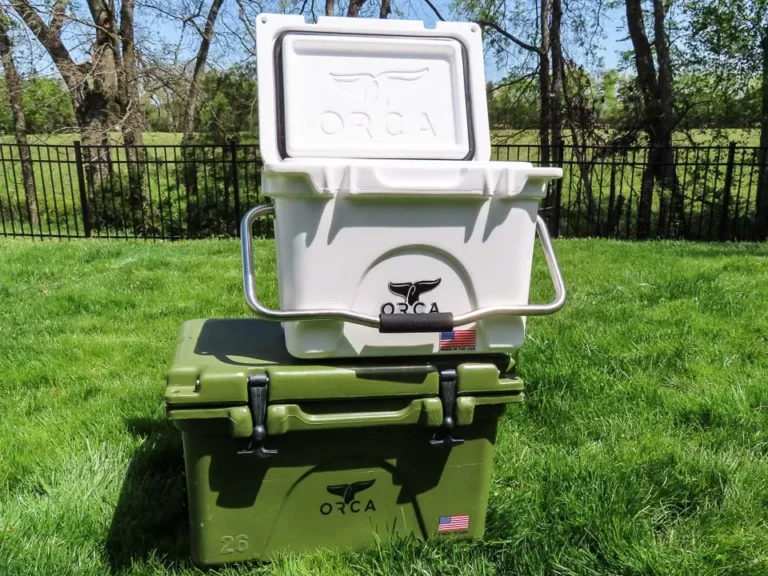
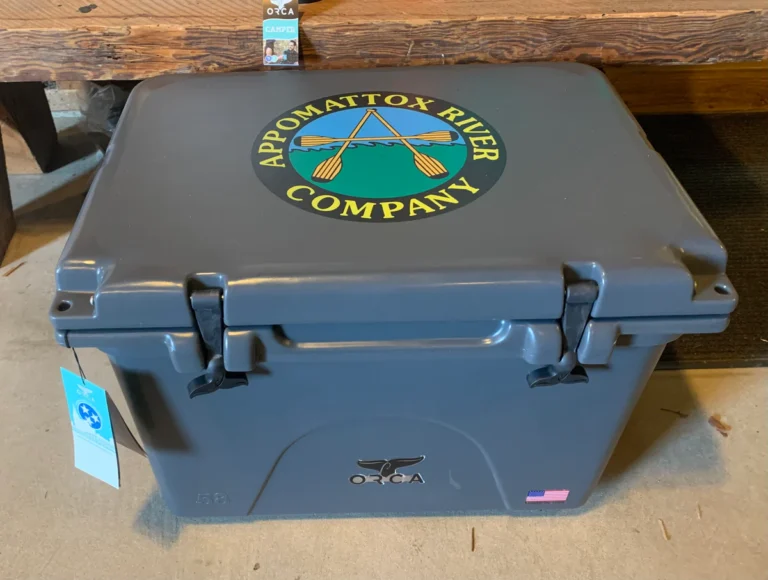
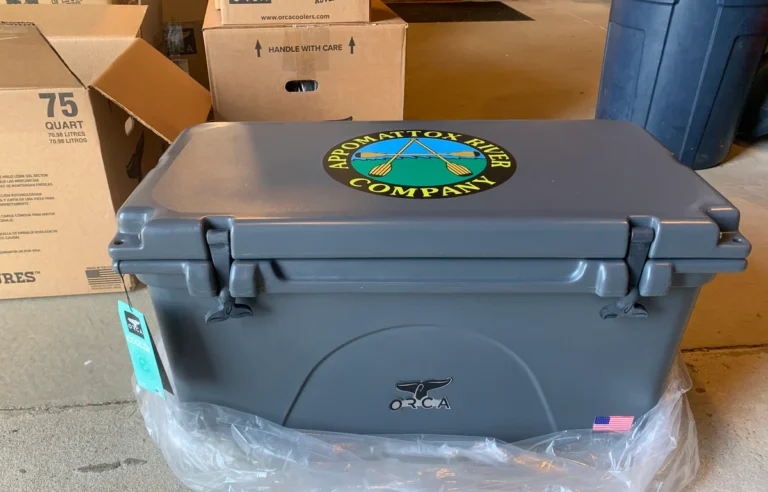
Orca Coolers entered the category with American-made designs that emphasized rigorous testing in extreme conditions.
The rotomolding boom created a new tier in the cooler market, with retail prices often exceeding $300 for mid-sized models.
Strengths and Trade-Offs of Traditional Soft Coolers
Why Soft Coolers Still Appeal
- Lightweight design for easy carrying over long distances
- Flexible shape fits in tight storage spaces
- Lower price point for budget-conscious buyers
- Collapsible when not in use
Limitations That Drive Alternative Searches
- Ice life typically under 24 hours in warm weather
- Fabric exteriors vulnerable to tears and abrasion
- Limited structural protection for fragile contents
- Zipper failures common after repeated use
- No locking mechanism for bear country or security

Manufacturing Innovations in Insulation
Early foam insulation used open-cell structures that absorbed moisture and degraded over time.
Closed-cell polyurethane foam became the industry standard by the 1980s, offering superior thermal resistance and water resistance.
Premium rotomolded coolers increased insulation thickness from one inch to three inches, dramatically extending ice retention.
Popular Science documented how pressure-injected foam eliminated air gaps that compromised earlier designs.
Gasket technology borrowed from commercial refrigeration created airtight seals between lid and body.
Modern hard-side coolers combine these advances to maintain internal temperatures below 40°F for up to ten days in controlled tests.
Key Milestones in Hard-Side Cooler Development
The Role of Outdoor Recreation in Cooler Evolution
Post-war America saw explosive growth in recreational fishing, hunting, and camping as highways opened access to remote areas.
Smithsonian Magazine traces how portable refrigeration became essential to outdoor culture in the 1950s and 1960s.
Anglers needed reliable ice retention for multi-day fishing tournaments in the South and Gulf Coast regions.
Hunters demanded coolers that could preserve game meat in backcountry conditions without access to power.
The tailgating tradition at college football games created a consumer segment willing to invest in large-capacity coolers with extended performance.
Modern hard-side designs reflect these use cases, with features like integrated cutting boards, ruler markings, and tie-down slots.
Modern Hard-Side Cooler Categories
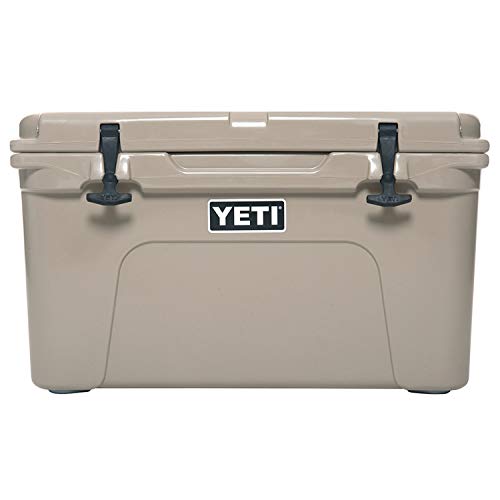
Rotomolded Premium
Multi-day ice retentionBear-resistant shells for serious expeditions

Injection-Molded Budget
Affordable day-trip optionLightweight with moderate insulation

Wheeled Transport
Easy mobility over sandBuilt-in wheels for group events
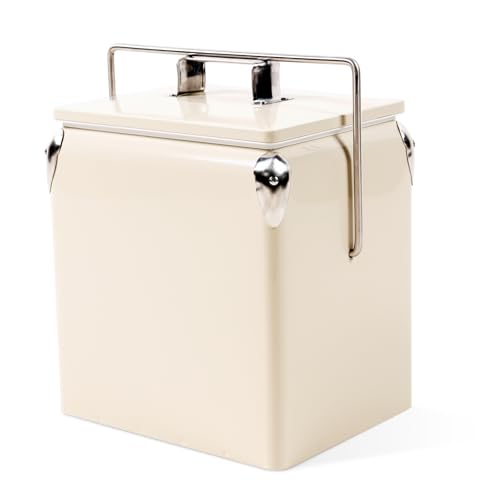
Metal Exterior Vintage
Aesthetic-focused designNostalgic look with modern foam
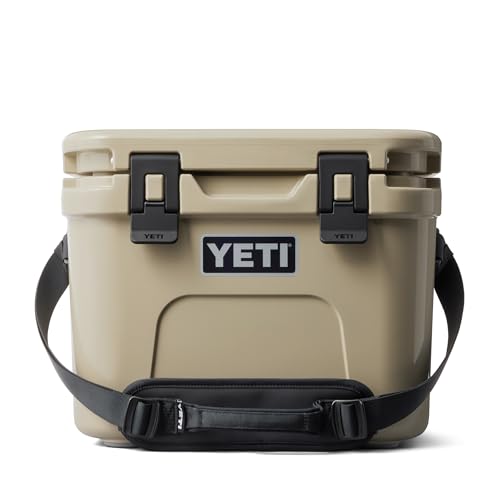
Design Features That Define Premium Hard-Side Coolers
Rotomolded coolers use T-latch or over-center latch systems that create compression seals against rubber gaskets.
Integrated hinges eliminate the weak point of bolt-on hardware that fails under repeated stress.
Non-slip feet prevent sliding in truck beds or on boat decks during transport.
Interior baskets and dividers allow organization of fragile items above the ice layer.
Many premium models include anchor points for securing accessories like cutting boards, cup holders, or dry-goods trays.
Drain plugs positioned at corners enable complete water evacuation without tipping the entire unit.
Choosing the Right Hard-Side Cooler for Your Use Case
Choose Rotomolded if…
You need five-plus days of ice retention, plan to use the cooler in bear country, or require a shell that can double as a seat or work surface. Premium models justify their cost for frequent users who demand commercial-grade durability.
Choose Injection-Molded if…
Your trips last 24–48 hours, weight is a primary concern, or budget constraints limit spending above $100. These coolers handle casual camping and tailgating without the bulk of thicker-walled alternatives.
Choose Wheeled Models if…
You regularly transport large quantities across sand, gravel, or uneven terrain. The added weight of wheel assemblies pays off when moving 75-quart-plus capacities for group events.
The American Manufacturing Revival in Cooler Production
As demand for premium coolers grew in the 2010s, several brands reopened or expanded domestic manufacturing facilities.
Orca Coolers emphasized American production in Tennessee, positioning locally made coolers as a competitive advantage in quality control.
Domestic manufacturing allows faster iteration on design improvements and reduces lead times for warranty replacements.
The shift reversed decades of offshore production that had dominated the injection-molded cooler market.
Consumers shopping for top-performing models increasingly cite manufacturing origin as a decision factor alongside ice retention and durability.
Pre-chill your cooler for 24 hours before loading it. Store it in a cool garage or basement with a sacrificial bag of ice inside. Starting with a warm shell forces your primary ice load to absorb heat from the walls, cutting retention time by 30–40% in hot weather.
How Cooler Design Reflects Regional Outdoor Traditions
Southern hunters prioritized coolers that could handle humid, high-temperature conditions during early-season deer hunts.
Gulf Coast anglers needed models resistant to saltwater corrosion and capable of storing large catches on extended offshore trips.
Western backcountry users demanded bear-resistant certification for overnight camping in grizzly territory.
Northeastern ice fishermen required coolers that maintained performance in sub-zero ambient temperatures.
These regional demands shaped feature sets—integrated fish rulers, bear-proof locks, and UV-resistant exteriors all emerged from specific use-case feedback.
Modern hard-side coolers incorporate these diverse requirements into versatile designs suitable for multiple outdoor activities.
The cooler became more than a container—it evolved into a mobile basecamp that supports multi-day independence in remote locations.
Outdoor gear historian analyzing the cultural role of premium coolers
The Economics of Premium Cooler Adoption
Premium rotomolded coolers carry retail prices 3–5× higher than injection-molded equivalents in the same size range.
The cost reflects thicker materials, pressure-injected foam, higher-quality latches, and extended warranties.
Serious users calculate cost-per-use over decades rather than upfront expense, viewing a $400 cooler as a lifetime investment.
The secondary market for used premium coolers remains strong, with five-year-old models often reselling at 60–70% of original retail.
Brands offering authorized dealer networks ensure warranty support and replacement-part availability that protect long-term value.
Testing Standards and Performance Verification
Independent testing organizations measure ice retention under controlled conditions—typically 90°F ambient temperature with a specified ice-to-air ratio.
Bear-resistance certification requires passing tests administered by the Interagency Grizzly Bear Committee, which simulates animal attempts to breach the cooler.
UV exposure testing evaluates how plastic shells withstand years of direct sunlight without cracking or fading.
Hinge-fatigue tests cycle lids thousands of times to identify premature failure points in hardware.
These standards allow consumers to compare competing models on objective performance metrics rather than marketing claims alone.

Common Questions About Hard-Side Cooler History
Rotomolded coolers existed in commercial fishing and industrial applications during the 1990s, but consumer-facing marketing began in the mid-2000s when brands like Yeti positioned them as premium outdoor gear.
Domestic production allowed brands to maintain tighter quality control, reduce lead times for warranty service, and appeal to consumers prioritizing locally made outdoor equipment. Several premium brands reopened U.S. facilities in the 2010s to meet this demand.
Rotomolding creates seamless, single-piece shells without weak seams or joints. The process also supports thicker walls—often 2–3 inches versus 0.25–0.5 inches in injection-molded coolers—which improves both insulation and structural strength.
Post-war expansion of highway systems opened remote areas to recreational users, creating demand for coolers that could preserve food and game during multi-day trips. This drove innovations in insulation thickness, gasket seals, and bear-resistant construction.
Casual users who camp a few weekends per year may find injection-molded coolers sufficient for their needs. Premium rotomolded models justify their cost for frequent users, extended trips, or harsh environments where multi-day ice retention and structural durability matter.
The Evolution Continues
Hard-side coolers transformed from simple ice chests into engineered systems that support extended independence in remote locations.
Each manufacturing innovation—from injection molding to rotomolding to pressure-injected foam—addressed specific limitations that outdoor users encountered in real-world conditions.
The premium cooler market reflects broader trends in outdoor recreation: consumers willing to invest in gear that performs reliably over decades rather than replacing budget models every few seasons.
As manufacturing technology advances, expect continued refinement in insulation efficiency, weight reduction, and integrated features that enhance the cooler’s role as a mobile basecamp.